Legatum Development Initiative

Legatum Development Initiative
Legatum Development Initiative community field engagement
Founding History

Origins

Our Roots and Founding Vision

Established in 2020, Legatum Development Initiative (LDI) was born out of a critical observation of the West African developmental landscape: while international aid was prevalent, local institutions often lacked the specialized capacity to sustain long-term impact. The organization was conceptualized by Kevin Ogbajie, who successfully catalyzed a cohort of passionate, young humanitarian and development professionals around a shared vision. Founded as an independent non-profit organization, LDI’s foundational blueprint was distinct—it aimed not just to deliver aid, but to fundamentally strengthen the institutional capacities of local organizations and government agencies, equipping them to design and execute high-impact humanitarian and community development projects.

Bridging the Capacity Gap

In its foundational years, LDI operated as a critical bridge between policy and grassroots execution. Recognizing that rural communities are frequently marginalized from mainstream developmental pipelines, the organization began forging strategic partnerships with municipal government bodies and local NGOs. By offering specialized technical training, project management expertise, and resource mobilization frameworks, LDI empowered local actors to take ownership of their community development. This unique, capacity-building approach ensured that early grassroots projects in rural areas were not only successfully funded but were structurally sound and sustainable for the long term.

Evolution and Broadened Horizons

As the organization matured, the compounding challenges of economic instability, climate change, and systemic inequality required LDI to evolve from a capacity-building partner into a direct, dynamic catalyst for regional development. Today, LDI has significantly expanded its footprint, building robust, multi-sector alliances with both public institutions and private corporate partners. By leveraging these ecosystems, the organization actively mobilizes resources to champion interconnected interventions centered around food security, sustainable rural development, and social justice. LDI’s holistic approach acknowledges that securing a community’s food supply is the first step toward breaking the cycle of poverty and achieving true social equity.

Empowering Communities for Tomorrow

At the heart of LDI’s current operations is a deep commitment to human capital development, with a specific focus on historically underserved demographics. By designing and deploying localized empowerment programs, the organization has successfully equipped youths, women, and young girls with the tools necessary to thrive in a changing economy. LDI’s targeted interventions span across critical developmental pillars, including:

  • Vocational Skill Acquisition

    Providing practical, market-driven skills to young girls and women, paving the way for financial independence and self-reliance.

  • Climate-Smart Farming Techniques

    Training rural smallholder farmers in modern, resilient agricultural practices to boost crop yields, improve nutrition, and secure local food systems.

  • Social Entrepreneurship

    Cultivating business acumen among the youth, enabling them to launch community-led enterprises that solve local social problems while generating sustainable economic value.

Mission Statement

Comprehensive Mission Statement & Operational Framework

"Legatum Development Initiative (LDI) is dedicated to elevating the human dignity, climate resilience, and economic independence of underserved women and youth across rural Nigeria. We achieve this by dismantling systemic barriers to food security and fundamental rights through data-driven research, multi-sector partnerships, grassroots advocacy, and targeted resource mobilization."

Core Pillars of the Mission Explained

To ensure this mission is actionable, LDI breaks its commitment down into four distinct strategic pillars:

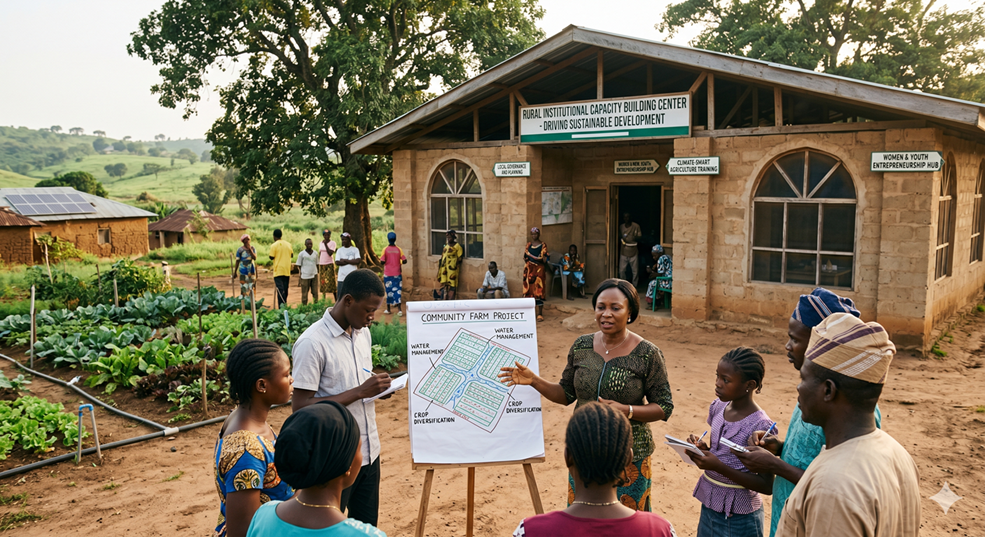
Local smallholder farmer using climate-smart agriculture Pillar 01

Food Security & Climate-Smart Agriculture

Transition & Resilience

LDI equips smallholder women farmers with modern, climate-adaptive agricultural techniques, high-yield inputs, and efficient post-harvest processing methods. This directly mitigates rural hunger, improves household nutrition, and builds community buffers against economic and environmental shocks.

Empowerment dialogue in local communities Pillar 02

Advocacy for Basic Rights & Social Justice

Socio-Legal Protection

LDI engages with traditional leaders, community custodians, and policymakers to challenge systemic gender disparities, curb gender-based violence (GBV), and improve access to basic education and healthcare infrastructure. We amplify the voices of rural women so they can actively participate in local governance.

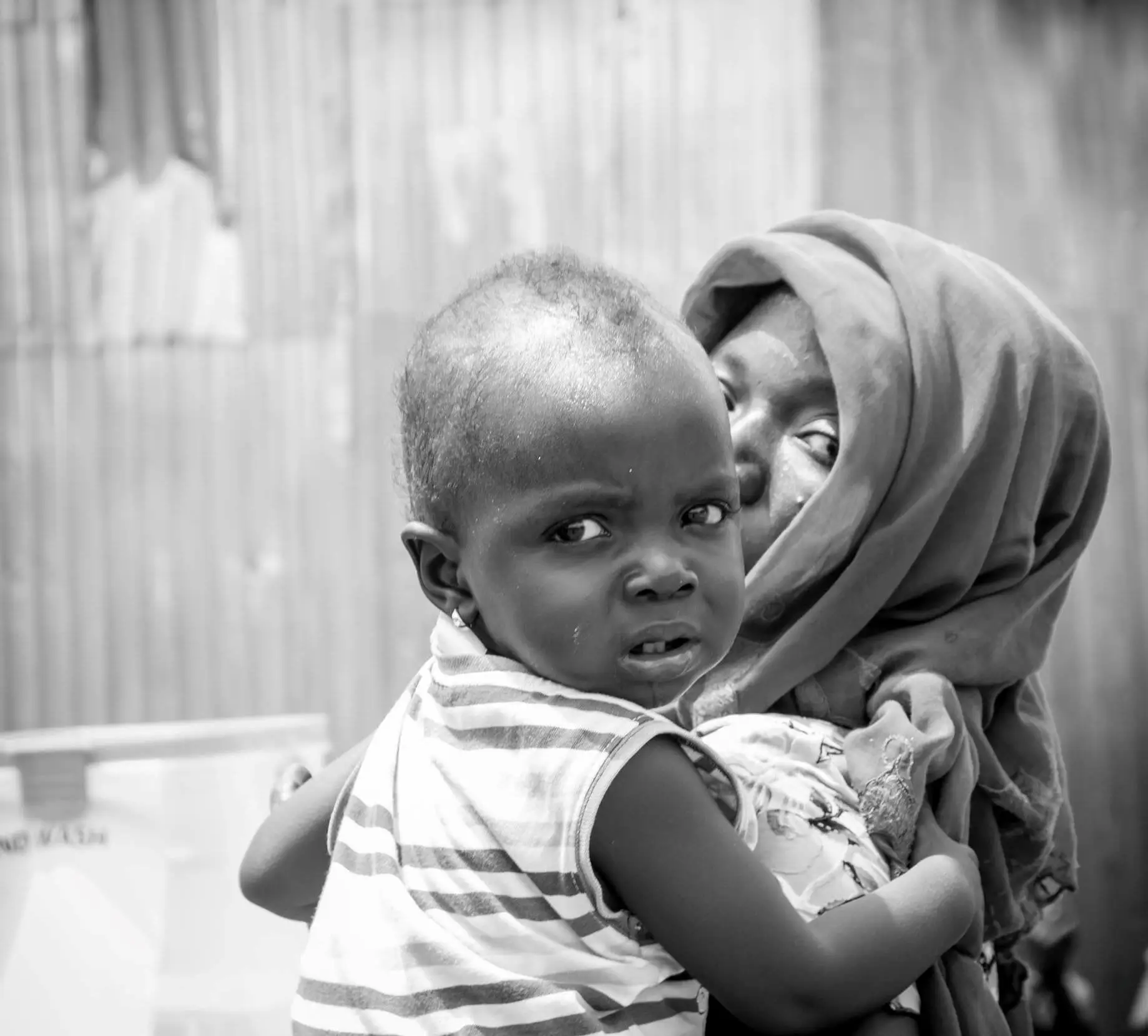
Mother holding a baby representing socio-economic family support Pillar 03

Socio-Economic Well-being & Financial Inclusion

Economic Independence

We deploy localized vocational training, digital literacy programs, and social entrepreneurship frameworks. By organizing women into savings groups and linking youth to market opportunities, LDI ensures that underserved demographics can transition into active economic contributors.

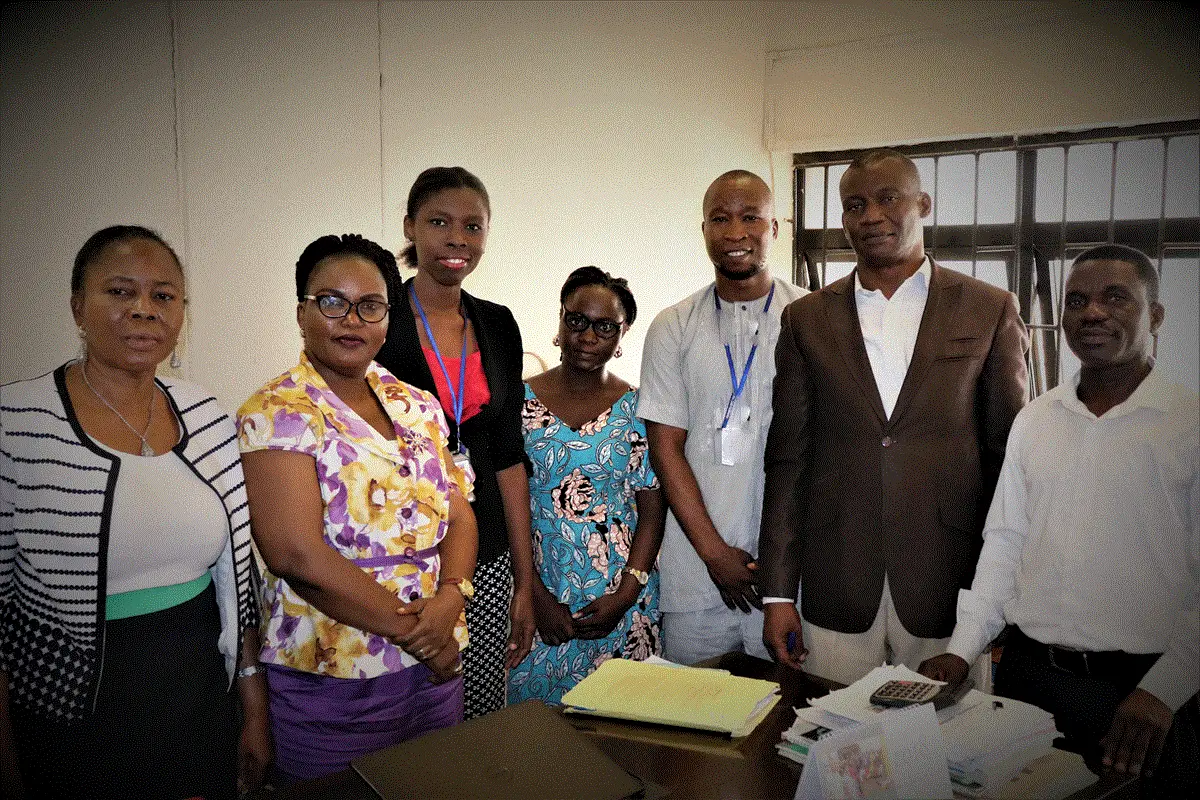
Collaborative technical capacity development training Pillar 04

Institutional Capacity Building

Strategic Integration

We bridge structural gaps in regional agencies and local organizations. By offering technical tools, project governance training, and partnership networks, we equip local development practitioners to sustain regional micro-initiatives long after direct field intervention cycles end.

Our Methodology: How We Deliver

LDI does not work in isolation. Our mission is executed through a strict operational pipeline designed for scalability and sustainability:

Data-Driven Research

We conduct rigorous, localized assessments to understand the specific needs of a community before deploying interventions, ensuring that our programs are contextually relevant.

Strategic Partnerships

We bridge the gap between policy and reality by aligning with local government agencies, international NGOs, and private corporate partners to maximize institutional capabilities.

Resource Mobilisation

We actively cultivate volunteer networks, leverage donor funding, and build community-led co-investment models to ensure projects are adequately funded and locally owned.

The Future We See

Our Vision

A resilient and equitable Nigeria where local institutions possess the robust capacity to drive sustainable development, creating self-sustaining, food-secure rural communities where the rights and socio-economic prosperity of women and youth are fully realized.

To make this vision permanent, we look beyond short-term relief toward systemic independence. We build toward a future where community cooperatives, local organizations, and smallholder farmers operate with advanced, independent capacities—securely shielded from structural poverty, climate-induced crop failures, and financial exclusion. Our ultimate target is a generational cycle of resilience, completely driven and managed by local voices.

Sustainable future, community growth, and agricultural resilience

Generational Prosperity

Building resilient infrastructure and independent community capacities for a brighter, self-sustaining tomorrow.

Our Core Philosophy

Our Institutional Values

The ethical framework and programmatic standards that direct our actions, governance structures, and field interventions across rural communities.

Accountability & Transparency

We maintain rigorous financial stewardship on every project, guaranteeing transparent deployment of donor funds and strict compliance with national corporate regulators (CAC IT/NO. 146378) and anti-money laundering (SCUML) standards.

Inclusivity & Equity

We deliberately dismantle systemic gender disparities, actively training and supporting rural women and youths. This ensures marginalized demographics can drive local development and participate directly in communal decision-making processes.

Sustainability

We prioritize generational self-sufficiency over temporary relief. By implementing climate-smart agronomy and training community leaders under the GALS methodology, we build independent local structures that thrive long-term.

Collaboration

We work with local government administrations, global NGOs, and private partners to co-finance interventions, bridge organizational gaps, and create a coordinated, high-trust network of developmental impact.

Scroll to Top